
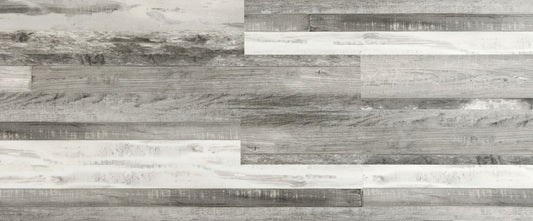
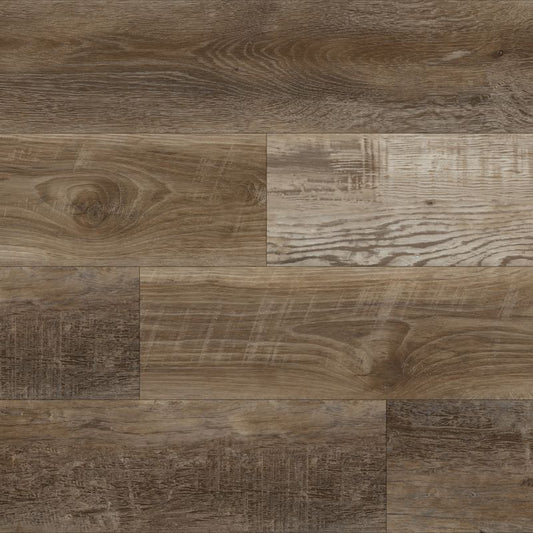
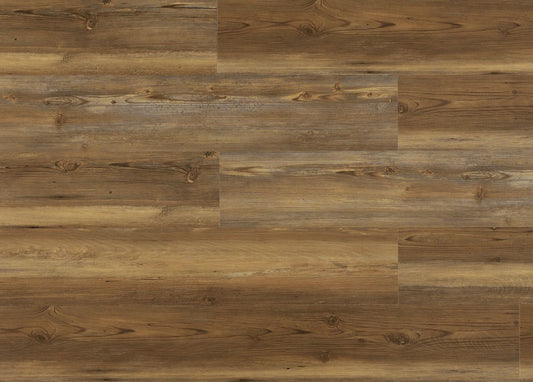
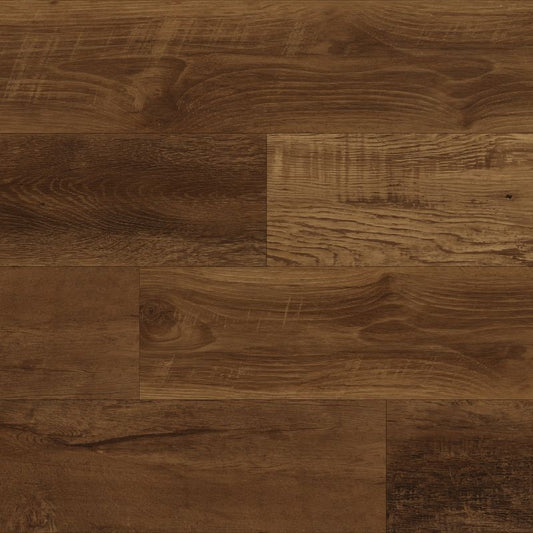
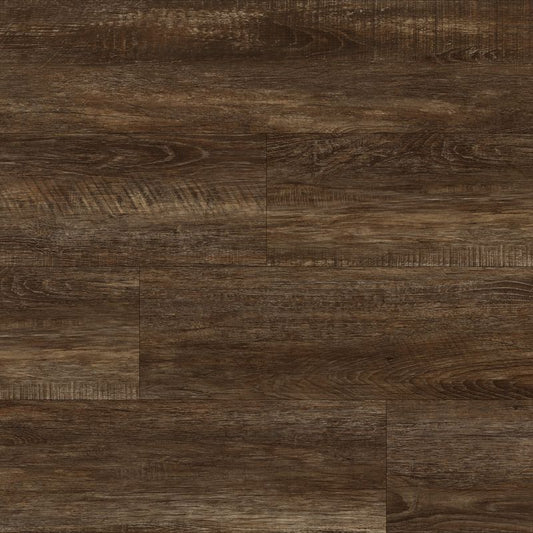


Choosing between LVP and LVT flooring can feel confusing because both belong to the luxury vinyl flooring family. Both are durable, easy to clean, and available in many design options. The real difference comes down to shape, style, room use, and the type of look you want for your space.
In simple terms, LVP and LVT mainly differ by format and design style. LVP is usually better for a warmer, wood-inspired design, while LVT may fit better when you want a cleaner tile or stone-inspired style.
This guide explains the key differences between LVP vs LVT so you can choose the right vinyl flooring option for your home or business. For a broader overview of product types, thickness, wear layers, cost, and room-based choices, you can also read our vinyl flooring buying guide.
Many modern LVP and LVT products are also available with SPC, WPC, or rigid core construction. The format, plank or tile, affects the appearance of the floor, while the core construction affects comfort, stability, durability, and overall performance.
What Is the Main Difference Between LVP and LVT?
The main difference between LVP and LVT is the shape and visual style. LVP flooring comes in long plank shapes and is designed to look like hardwood flooring. It is commonly used in living rooms, bedrooms, hallways, and open areas where a wood-style floor looks natural.
LVT flooring comes in tile shapes and is designed to look like stone, ceramic, marble, or tile flooring. It is often used in kitchens, bathrooms, laundry rooms, and entryways where a tile-style design makes more sense.
Both flooring options can be durable, water-resistant, and easy to maintain. The better choice depends on your room, design goal, wear layer, core type, and installation method.
| Feature | LVP Flooring | LVT Flooring |
| Main Look | Wood Look | Tile or Stone Look |
| Shape | Long Planks | Square or Rectangular Tiles |
| Common Use | Living Rooms, Bedrooms, Hallways | Kitchens, Bathrooms, Laundry Rooms |
| Style Feel | Warm and Natural | Clean and Defined |
| Maintenance | Easy to Clean | Easy to Clean |
| Water Resistance | Depends on Product Specs | Depends on Product Specs |
To understand where both options fit within the larger flooring category, you can also read the complete guide on types of vinyl flooring.
What Is LVP Flooring?
Luxury Vinyl Plank flooring is a vinyl flooring type made in plank form. It is designed to copy the look of hardwood flooring without the same upkeep needs as real wood.
Many homeowners choose LVP because it gives a natural wood-style appearance while offering practical benefits for daily use. It can work well in busy homes, rental spaces, offices, and light commercial areas when the right wear layer and core type are selected.
How LVP Flooring Looks
LVP flooring usually has long planks with printed wood visuals. Many options include wood grain patterns, knots, light oak tones, gray shades, brown finishes, and textured surfaces.
It is a strong choice when you want a floor that looks like hardwood but is easier to clean and more practical for daily foot traffic. LVP can also make larger spaces feel more connected because the plank layout creates a continuous floor pattern.
Where LVP Flooring Works Best
LVP works well in spaces where a wood-look floor adds warmth and creates a seamless visual flow throughout the home. It is also a practical choice for homeowners who appreciate the appearance of hardwood but prefer a flooring material that requires less day-to-day maintenance and upkeep.
Common areas include:
-
Living rooms
-
Bedrooms
-
Hallways
-
Dining rooms
-
Open floor plans
-
Home offices
-
Light commercial spaces
Why Buyers Choose LVP
Buyers often choose LVP because it gives the appearance of wood without the common problems linked with hardwood, such as higher upkeep, moisture concerns, and refinishing needs.
LVP is also available in many colors, thickness levels, and wear layers. This makes it easier to match the product with your room style, traffic level, and budget.
If you want a wood-look floor with practical daily performance, Sam’s Flooring offers luxury vinyl plank flooring options in different colors, thickness levels, and wear layer choices.
What Is LVT Flooring?
Luxury Vinyl Tile flooring is a type of vinyl flooring made in tile form. It is designed to look like stone, ceramic, marble, slate, or tile flooring.
LVT is often selected for spaces where a clean, defined, and tile-style surface works better than a wood plank appearance. It looks like tile without the same hard feel, grout-heavy maintenance, or complex installation process.
How LVT Flooring Looks
LVT flooring usually comes in square or rectangular tile shapes. The surface design can copy natural stone, marble, ceramic, concrete, or slate.
Because of its tile-style format, LVT works well in rooms where buyers want a more structured layout. It can create a clean finish in kitchens, bathrooms, laundry rooms, and utility spaces.
Where LVT Flooring Works Best
LVT is commonly used in rooms where moisture, spills, and frequent cleaning are more common, making it a practical flooring choice for busy areas of the home. It is also ideal for homeowners who like the appearance of tile flooring but want to avoid the extra maintenance and upkeep associated with grout lines.
Common areas include:
-
Kitchens
-
Bathrooms
-
Laundry rooms
-
Entryways
-
Utility rooms
-
Mudrooms
-
Small commercial spaces
Why Buyers Choose LVT
Buyers choose LVT when they want a stone or tile-style look with easier care. It is a practical option for rooms where water, dirt, and frequent cleaning are part of daily use.
LVT can also help create a more defined room style. For example, marble-look LVT can work well in bathrooms, while stone-look LVT can fit kitchens, laundry rooms, or entryways.
LVP vs LVT Flooring: Side-by-Side Comparison
Both LVP and LVT are part of the luxury vinyl flooring category. The main difference is not always durability. In many cases, durability depends more on the wear layer, core type, product quality, and installation method.
Here is a simple side-by-side comparison:
|
Comparison Point |
LVP Flooring |
LVT Flooring |
|
Appearance |
Looks like hardwood |
Looks like tile, stone, or ceramic |
|
Shape |
Plank style |
Tile style |
|
Best Room Fit |
Living rooms, bedrooms, hallways |
Kitchens, bathrooms, laundry rooms |
|
Design Style |
Natural and wood-inspired |
Clean and stone-inspired |
|
Comfort Feel |
Often feels warmer in home spaces |
Looks more like traditional tile |
|
Installation |
Click lock, glue down, or floating |
Click lock, glue down, or floating |
|
Cleaning |
Easy routine cleaning |
Easy routine cleaning |
|
Buyer Intent |
Best for wood-look flooring |
Best for tile-look flooring |
If your main goal is a hardwood-style floor, LVP is usually the better fit. If your main goal is a tile, stone, or marble-style floor, LVT is usually the better fit.
LVP vs LVT: Which Looks Better?
There is no single winner in appearance. The better choice depends on the design mood you want to create. LVP usually creates a warmer, more continuous look, while LVT creates a cleaner, more structured finish.
Choose LVP for a Wood-Look Interior
LVP is a good choice if you want your floor to look like hardwood. It works well with many interior styles, including modern, rustic, farmhouse, traditional, and transitional designs.
LVP is especially useful in open floor plans because the plank layout helps connect living rooms, dining areas, and hallways. It can also make bedrooms and family rooms feel warmer without using real hardwood.
Choose LVP if you want:
-
Wood-look flooring
-
Long plank visuals
-
Natural grain patterns
-
Warmer room style
-
A practical hardwood alternative
-
Flooring for larger open spaces
Choose LVT for a Tile or Stone-Look Interior
LVT is better when you want a tile or stone-style appearance. It fits rooms where a wood look may not be the first choice, such as bathrooms, laundry rooms, mudrooms, and kitchens.
LVT can also work well in spaces where you want a clean and defined layout. Stone-look, marble-look, and slate-look LVT can add a polished appearance without the higher care needs of traditional tile.
Choose LVT if you want:
-
Tile-look flooring
-
Stone or marble-style design
-
A cleaner room layout
-
Flooring for wet-use spaces
-
Easier care than traditional tile
-
A practical option for utility areas
LVP vs LVT: Which Is Better for Water Resistance?
Both LVP and LVT can be water-resistant or waterproof, but this depends on the product. You should not assume every LVP or LVT product is fully waterproof.
Water protection depends on several factors, including:
-
Core construction
-
Locking system
-
Product specification
-
Installation quality
-
Subfloor condition
-
Edge sealing and room use
A waterproof vinyl product can handle spills and moisture better than many other flooring types, but standing water, poor installation, or subfloor issues can still create problems over time.
Is LVP Waterproof?
Many LVP products are sold as waterproof, especially rigid core LVP options. These products are often used in kitchens, basements, and high-use spaces.
However, buyers should always check the product details before purchasing. The flooring may have a waterproof surface, but water can still affect seams, edges, or the subfloor if installation is not done correctly.
Is LVT Waterproof?
LVT is commonly used in kitchens, bathrooms, laundry rooms, and entryways because its tile-style appearance fits these spaces well. Many LVT products are also designed for moisture-prone rooms.
Still, water resistance depends on the product specs. Before buying LVT for a bathroom or kitchen, check whether the product is rated for that type of use.
LVP vs LVT: Which Is More Durable?
LVP is not automatically more durable than LVT, and LVT is not automatically stronger than LVP. Durability depends on the product's construction.
The most important durability factors are:
-
Wear layer thickness
-
Total product thickness
-
Core type
-
Surface finish
-
Installation method
-
Room traffic level
A high-quality LVP can outperform a low-quality LVT. In the same way, a strong LVT can perform better than a thin LVP with a weak wear layer.
Check the Wear Layer
The wear layer is the top protective layer that helps resist scratches, stains, scuffs, and daily marks.
Common wear layer ranges include:
-
6 mil: Light residential use
-
12 mil: Regular residential use
-
20 mil: Heavy residential or light commercial use
-
20 mil and above: Stronger option for high-traffic areas
If you have pets, children, busy rooms, or commercial traffic, the wear layer matters more than the LVP or LVT label alone.
Check the Core Type
The core type affects how firm, stable, and supportive the floor feels.
Common core types include:
-
SPC: Dense and firm core, often used for heavy traffic and moisture-prone areas
-
WPC: Softer underfoot and often used in home spaces. For buyers who prefer a warmer and more cushioned feel, WPC vinyl flooring can be a practical option for bedrooms, living rooms, and other residential areas.
-
Rigid Core: Strong structure that helps with stability and daily use
If durability is your main concern, review both the wear layer and core type before choosing between LVP and LVT.
LVP vs LVT: Which Is Better for Each Room?
The right choice often depends on where the flooring will be installed. Some rooms work better with a wood-look plank, while others fit better with a tile-style surface.
|
Room |
Better Option |
Why |
|
Living Room |
LVP |
Wood-look planks create a warmer home style |
|
Bedroom |
LVP |
Plank visuals fit restful home spaces |
|
Kitchen |
LVT or LVP |
LVT gives tile style, LVP gives wood style |
|
Bathroom |
LVT |
Tile-look design fits wet-use spaces well |
|
Basement |
Rigid Core LVP or LVT |
Core quality matters most |
|
Hallway |
LVP |
Plank layout works well in long spaces |
|
Laundry Room |
LVT |
Practical tile-look finish |
|
Office |
LVP |
Clean wood-style floor for work areas |
For most living areas, LVP is often the better visual match. For bathrooms, laundry rooms, and utility areas, LVT often feels more natural because of its tile-style format.
LVP vs LVT: Which Costs More?
The cost of LVP and LVT depends on the product, not only the name. Some LVP products cost more than LVT, and some LVT products cost more than LVP.
Pricing can change based on:
-
Brand
-
Thickness
-
Wear layer
-
Core type
-
Surface texture
-
Waterproof rating
-
Installation method
-
Design quality
Instead of asking which one is always cheaper, it is better to compare products with similar thickness, wear layer, and core structure.
LVP Cost Factors
LVP pricing can depend on plank thickness, wear layer strength, wood-look design quality, locking system, and waterproof construction.
A thicker LVP plank with a strong wear layer and rigid core will usually cost more than a thin basic plank. However, the higher price may make sense in areas with heavier daily use.
LVT Cost Factors
LVT pricing can depend on tile size, stone-look detail, surface texture, core type, wear layer, and installation method.
Stone-look or marble-look LVT with a strong wear layer may cost more than basic tile-look vinyl. If the product is used in a bathroom or kitchen, water rating and installation quality should also be considered.
LVP vs LVT Installation Differences
LVP and LVT can both be installed in different ways. The installation method depends on the product format and the manufacturer's instructions.
The most common installation methods are click lock, glue down, and floating installation.
Click Lock LVP and LVT
Click lock flooring uses edge-locking pieces that connect together. It is often used in residential spaces because it can be installed more quickly than some other methods.
Click lock LVP is common in living rooms, bedrooms, and hallways. Click lock LVT can also be used in kitchens or utility spaces when the product is suitable.
Glue Down LVP and LVT
Glue down flooring is attached directly to the subfloor with adhesive. This method is often used in commercial spaces, offices, stores, and high-traffic areas.
Glue down LVP and LVT can reduce floor movement when installed correctly. If you need a more stable option for commercial areas, hallways, or large open spaces, you can explore glue down vinyl flooring for stronger long-term floor placement.
Floating LVP and LVT
Floating flooring sits over the subfloor without being fully attached to it. Many click lock vinyl products are floating floors.
This option is common in renovation projects because it can work over many clean, level, and properly prepared surfaces. Subfloor preparation is still important because uneven areas can affect the final result.
Pros and Cons of LVP Flooring
LVP has many benefits, especially for buyers who want a wood-style floor. Still, it is important to understand both the strengths and limits before purchasing.
|
Pros of LVP |
Cons of LVP |
|
Wood-look design |
Not the same value as real hardwood |
|
Good for living areas |
Quality varies by product |
|
Easy to clean |
Needs proper subfloor preparation |
|
Many color options |
Low-quality planks may show wear faster |
|
Works well in open layouts |
Water protection depends on product specs |
LVP is a smart choice when your main goal is a wood-look floor with easier maintenance. It is especially useful for home spaces where real hardwood may not be practical.
Pros and Cons of LVT Flooring
LVT is a strong option for buyers who want tile or stone-style flooring without traditional tile upkeep.
|
Pros of LVT |
Cons of LVT |
|
Tile or stone-look design |
Does not feel exactly like real tile |
|
Good for kitchens and bathrooms |
Quality varies by product |
|
Easier care than grout-heavy tile |
Needs correct installation |
|
Practical for utility spaces |
Low-quality tiles may look less realistic |
|
Many design choices |
Water protection depends on product specs |
LVT is a good fit when you want the look of tile with easier cleaning and a softer surface than ceramic or stone.
LVP vs LVT Flooring: Which Option Is Right for Your Space
The choice between LVP and LVT depends on what you want your floor to look like and where it will be installed. Buy LVP if you want a wood-look floor. Buy LVT if you want a tile, stone, slate, or marble-look floor.
Buy LVP If You Want
-
A wood-look floor
-
A warmer room style
-
Flooring for living rooms or bedrooms
-
Long plank visuals
-
A practical alternative to hardwood
-
A good option for open layouts
-
Easy routine cleaning
LVP is usually the better choice for spaces where a continuous wood-look design is preferred and where homeowners want a warmer, more connected appearance throughout the home.
Buy LVT If You Want
-
A tile or stone-look floor
-
Flooring for bathrooms or kitchens
-
A cleaner tile-style layout
-
Easier care than traditional tile
-
A practical option for moisture-prone spaces
-
Stone, marble, ceramic, or slate visuals
-
Flooring for laundry rooms or utility areas
LVT is usually the better choice for areas where a tile or stone-inspired appearance makes more sense and where moisture, spills, and frequent cleaning are common concerns.
Common Mistakes When Choosing Between LVP and LVT
Many buyers compare LVP vs LVT only by color or price. That can lead to the wrong product choice.
Avoid these common mistakes:
-
Choosing only by color or pattern
-
Ignoring wear layer thickness
-
Not checking waterproof claims
-
Using the wrong core type for the room
-
Forgetting to check the subfloor condition
-
Comparing low-quality LVP with high-quality LVT
-
Ignoring the installation method
-
Assuming all luxury vinyl flooring performs the same
-
Choosing a room style that does not match the flooring format
-
Buying flooring without checking product specifications
The best decision comes from comparing appearance, room use, wear layer, core type, and installation method together.
Final Thoughts
LVP and LVT are both useful luxury vinyl flooring options, but they serve different design goals. LVP is better if your goal is a wood-inspired floor that creates a seamless visual flow throughout residential spaces. It gives the look of hardwood with easier daily care.
LVT is better if you prefer a tile or stone-inspired design for moisture-prone or utility-focused areas. It gives a cleaner tile-style appearance without the same grout-heavy upkeep. At Sam’s Flooring, you can compare vinyl flooring options by color, thickness, wear layer, waterproof features, and room use, so you can choose the right floor for your space.


