
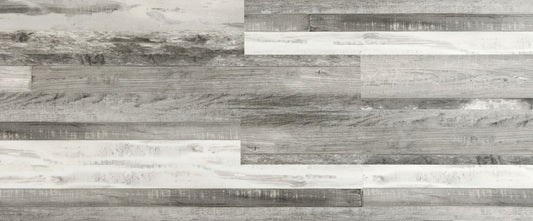
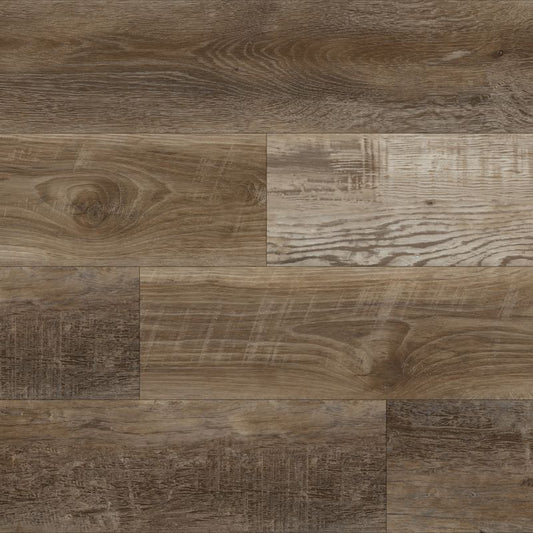
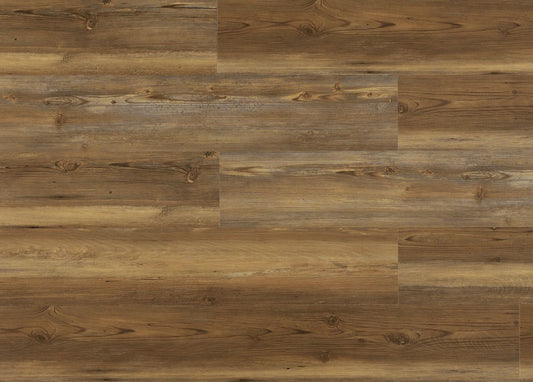
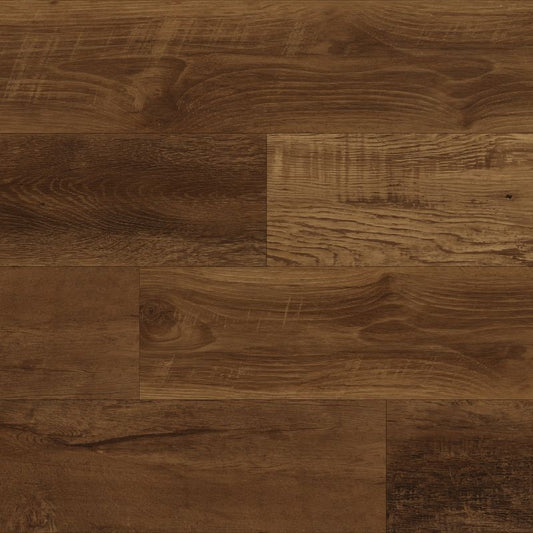
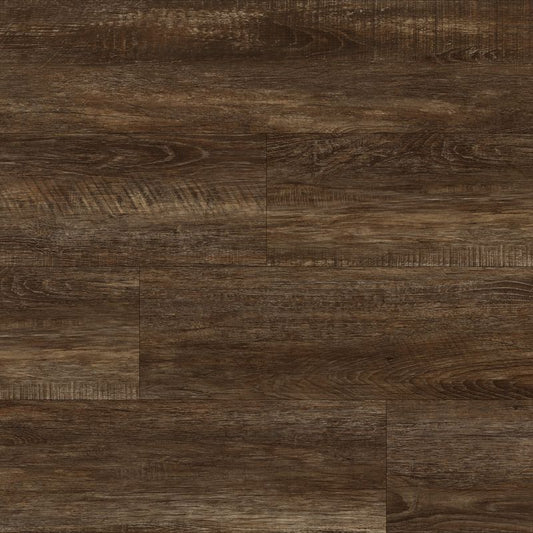


This is why many homeowners and business owners turn to vinyl as a practical solution that balances design, strength, and cost. You can explore different vinyl flooring options based on your space and requirements.
This vinyl flooring guide is designed to help you understand what actually matters when you plan to buy vinyl flooring, so you can avoid common mistakes and select an option that fits your lifestyle, traffic level, and long-term expectations.
What to Consider Before You Buy Vinyl Flooring
Before selecting any product, it is important to evaluate how the flooring will be used daily. Each factor below plays a role in performance and lifespan.
Understanding Vinyl Flooring Types Based on Usage
Different vinyl flooring types are designed for different environments. Choosing based on need rather than appearance helps prevent early damage and replacement.
Luxury Vinyl Plank (LVP)
This option is widely chosen for areas where a natural wood appearance is preferred. It delivers a structured plank layout that creates a consistent visual flow across rooms. LVP is suitable for spaces where comfort underfoot and visual warmth are important, such as living areas and bedrooms. If you prefer this style, you can consider luxury vinyl plank flooring for a consistent wood-like appearance.
Luxury Vinyl Tile (LVT)
LVT is structured to replicate tile or stone surfaces with a more controlled finish. It is commonly used in spaces that require a cleaner and more defined surface pattern, especially where water exposure is frequent. It provides a stable surface without the complexity of traditional tile installation.
Sheet Vinyl Flooring
This format is produced in large continuous rolls, reducing visible joints across the floor. Because of this, it performs well in areas where moisture control is necessary. It is also a practical solution for projects where budget and coverage area are key considerations. In such cases, sheet vinyl flooring works well for large, seamless installations.
Rigid Core Vinyl (WPC/SPC)
Rigid core flooring is built with a reinforced base that provides added stability. It performs well in environments where floor movement, impact, or uneven subfloors may be a concern. This type is often selected for commercial setups or high-use residential spaces. For added durability and stability, many users choose WPC vinyl flooring for demanding environments.
Each of these types has its own set of styling options, durability levels, and installation techniques; therefore, select a type that suits your space and lifestyle.
Evaluating Wear Layer for Long-Term Performance
The wear layer plays a critical role in protecting vinyl flooring from scratches, stains, and daily impact. Choosing the right thickness based on foot traffic and usage helps maintain the surface quality and extends the overall lifespan of the flooring.
-
Lower thickness works in areas with limited activity
-
Medium thickness supports regular daily use
-
Higher thickness is recommended for heavy movement or commercial environments
Maintenance Expectations and Daily Use
Vinyl flooring is often preferred because it simplifies routine cleaning and reduces long-term upkeep efforts. Selecting the right product ensures that daily use does not affect the appearance or performance, making it a practical option for both homes and commercial environments.
You can clean vinyl flooring easily without specialized products. Additionally, the flooring’s upper layer can handle spills without leaving marks, and gives a clean look with a mere wipe. This allows vinyl flooring to maintain a clean appearance without intensive care
Design Selection Based on Interior Compatibility
Choosing the right design is not just about style but about how well the flooring fits within your overall interior. The right color and texture can influence how spacious, balanced, or functional a room feels over time.
-
Lighter tones open up smaller spaces
-
Darker finishes add depth to larger rooms
-
Textured surfaces help reduce visible marks
Comparing Various Vinyl Flooring Options
Most buyers face confusion at this stage because multiple options appear similar. The key is to match the flooring with how the space functions.
|
Situation |
Recommended Option |
|
Compact living space |
Sheet Vinyl |
|
Wood-style interior |
LVP |
|
Wet areas |
LVT |
|
Heavy usage |
Rigid Core |
|
Cost-sensitive project |
Sheet Vinyl |
To better match your needs, you can review different vinyl flooring options based on usage and layout preferences.
LVP vs LVT: Practical Comparison
Many customers compare LVP vs LVT before making a final decision. While both are durable, their applications differ.
|
Feature |
LVP |
LVT |
|
Visual structure |
Plank-based |
Tile-based |
|
Best placement |
Living areas |
Kitchens & bathrooms |
|
Appearance |
Wood-inspired |
Stone-inspired |
|
Layout |
Continuous flow |
Defined sections |
Installation Options and What They Mean for You
The way vinyl flooring is installed directly affects how it performs over time, especially in terms of stability, durability, and maintenance. Each installation method is designed for a specific type of environment, whether it’s a residential space, rental unit, or high-traffic commercial area.
Choosing the right method ensures proper alignment, reduces movement, and helps the flooring maintain its structure under daily use. It also impacts how easy it is to repair, replace, or upgrade the flooring in the future, making it an important part of your overall flooring decision.
Click-Lock System
Designed for quick and efficient installation without the need for adhesives. Planks or tiles connect through a locking mechanism, creating a floating floor that sits securely on the subfloor. This method is ideal for homeowners who want a cleaner installation process and the flexibility to replace individual sections if needed.
Glue-Down Method
Uses adhesive to bond the flooring directly to the subfloor, creating a stable and permanent surface. This approach is commonly preferred in commercial settings or areas with heavy foot traffic where movement needs to be minimized. Many professionals recommend glue-down vinyl flooring for long-term stability. It provides a strong hold and reduces shifting over time.
Loose Lay Installation
Relies on the weight of the material and a specialized backing to keep the flooring in place. It allows quick placement without extensive preparation and is suitable for spaces where flexibility is required. This option works well in temporary setups or areas where flooring may need to be adjusted or replaced frequently.
Maintenance and Care Tips for Vinyl Flooring:
If you follow these simple steps, your vinyl flooring will continue to look good, withstand wear and tear, and be easy to clean for many years to come. Vinyl flooring is not very difficult to maintain when you take a moment to follow these tips:
-
Regularly Clean: Sweep or vacuum to remove dirt and dust, which can scratch or scuff your flooring.
-
Use Gentle Cleaning Methods: Use a damp mop (not soaking wet) with a mild detergent to clean your Vinyl Floors. Never apply too much water.
-
Never Use Strong Chemicals: Don't use bleach or any other strong detergents to clean your Vinyl Floors, as they will damage them.
-
Protect Your Furniture: Place felt pads under the legs of chairs and tables to prevent scratches and dents on your flooring.
-
Clean Up Spills Quickly: Wipe up spills right away so they don't turn into stains or damage your floors.
-
Protect Against Sunlight: Use curtains or window shades in sunny places to keep your flooring from fading over time.
Where Vinyl Flooring Performs Best
Vinyl flooring is designed to adapt to a wide range of environments, making it one of the most versatile flooring options available. Its structure allows it to handle different conditions such as moisture, foot traffic, and daily wear without requiring constant upkeep. Instead of being limited to a specific room or setting, it performs reliably across both residential and commercial spaces. Choosing vinyl based on where it will be installed helps ensure better performance, longer lifespan, and fewer maintenance concerns over time.
-
Residential Homes: Works well in kitchens, bedrooms, and living areas where comfort, appearance, and ease of cleaning are important.
-
Commercial Spaces: Suitable for offices, retail stores, and service areas where durability and consistent surface performance are required.
-
High-traffic Zones: Ideal for hallways, entry points, and shared spaces that experience constant movement throughout the day.
-
Functional Spaces: Performs effectively in basements, laundry rooms, and utility areas where moisture and practical use are key considerations.
Vinyl Flooring Cost Breakdown
Planning your budget for vinyl flooring requires more than just looking at the price per square foot. The total cost is influenced by several factors that affect both the initial investment and long-term value. Understanding these elements helps you avoid unexpected expenses and ensures you choose a flooring option that aligns with your needs, usage level, and project scope. Instead of focusing only on the lowest price, it is better to evaluate how each factor contributes to durability, appearance, and overall performance over time.
Material Type (sheet, plank, tile, rigid core)
Each type comes with a different price range based on structure, design quality, and performance level. Sheet vinyl is usually the most economical, while rigid core and luxury options cost more due to added strength and realistic finishes.
Thickness and Structural Quality
Products with stronger cores and thicker wear layers typically cost more but provide better resistance against impact, scratches, and daily use.
Installation Complexity
Costs vary depending on the method used, whether it is click-lock, glue-down, or loose lay, along with the skill level required for proper fitting.
Surface Preparation Requirements
Subfloor leveling, cleaning, or repairs can add to the total cost, especially if the existing surface is uneven or damaged. Since pricing depends on material and structure, it is helpful to compare available vinyl flooring options before making a final decision.
Benefits of Vinyl Flooring:
A wide range of benefits makes vinyl flooring one of the more popular choices for both residential and commercial areas today.
-
Its water-resistant properties make vinyl a good option for installation in areas with high moisture content, such as kitchens and bathrooms.
-
Its durability makes it resistant to foot traffic and daily wear and tear.
-
Easy to care for and requires minimal daily maintenance, such as mopping or sweeping.
-
Vinyl flooring is available in several designs that resemble wood, stone, or tile, making it easy to match your décor.
-
Vinyl is an inexpensive way to get a stylish, functional flooring option without paying high prices.
-
If you have young children or energetic pets, vinyl flooring can withstand all the activity and help keep your home looking wonderful.
Why Choose Sam’s Flooring
At SAM’s Flooring, the focus is not just on selling products but helping customers choose flooring that actually works for their space. You get access to a wide selection of vinyl flooring options along with guidance that simplifies the decision process. Whether your requirement is based on durability, design, or budget, the team ensures you choose the right option without confusion or overspending.
Common Mistakes to Avoid When Choosing Vinyl Flooring
Choosing the right vinyl flooring comes down to understanding your space, your budget, and your long-term expectations. By selecting the proper type, paying attention to wear layer thickness, and investing in professional installation. You can ensure lasting performance and style. With the right approach, vinyl flooring can be a durable, attractive, and cost-effective solution for any room in your home. There are some mistakes to be avoided when selecting vinyl flooring. Here are a few.
-
Skipping proper subfloor preparation can lead to an uneven floor and long-term damage.
-
Choosing the wrong type of vinyl for the space can cause problems (for example, using non-waterproof vinyl in kitchens or bathrooms).
-
Ignoring the thickness of the wear layer can result in faster wear, especially in high-traffic areas.
-
Using harsh cleaners or abrasive tools can damage the surface.
-
Failing to use protective pads under furniture can cause scratches and dents.
-
Attempting DIY installation without experience, or not hiring a qualified installer for complex areas, can lead to gaps, buckling, and uneven surfaces.
Final Thoughts
Selecting the right flooring is a long-term decision that affects both functionality and cost. By understanding the differences between vinyl flooring types, evaluating usage conditions, and choosing the right installation method, you can make a decision that holds up over time.
Frequently Asked Questions (FAQs)
1. What is vinyl flooring made of?
Vinyl flooring is made from synthetic materials, primarily PVC (polyvinyl chloride), combined with stabilizers and a protective wear layer. This layered construction makes it durable, water-resistant, and comfortable underfoot.
2. How long does vinyl flooring last?
Proper vinyl flooring maintenance ensures it lasts 10-25 years (life expectancy depends on typical foot traffic patterns).
3. How do I choose the right wear layer thickness?
Selecting the correct thickness of the wear layer depends on how the Vinyl will be used.
6 - 12 Mil: Light Residential
12 - 20 Mil: Moderate Residential
20 + Mil: Heavy Residential or Commercial
The higher the mil number, the more durable the surface.
4. How do I maintain vinyl flooring?
Proper Care includes sweeping or vacuuming regularly, mopping with a gentle cleaning solution, promptly cleaning spills, and protecting the floor from furniture by using furniture protectors.
5. Can vinyl flooring be installed over existing floors?
In many cases, yes. Vinyl can typically be installed over a smooth, clean, and level substrate. Examples of possible substrates include tile, concrete, and existing vinyl.
6. How does vinyl compare to hardwood flooring?
Compared to wood, vinyl is less expensive, slightly water-resistant, and easier to maintain; while wood tends to be more expensive, susceptible to moisture damage, and normally requires sanding and resealing every few years.
7. Is vinyl flooring safe for children and pets?
Yes, vinyl is safe and non-toxic, low-maintenance, and durable enough to withstand heavy use from toddlers and pets.
8. Is the look of vinyl flooring as good as that of real hardwood or stone?
Luxury vinyl of today has superior image and surface detail and closely resembles the appearance of hardwood or stone to the naked eye.


